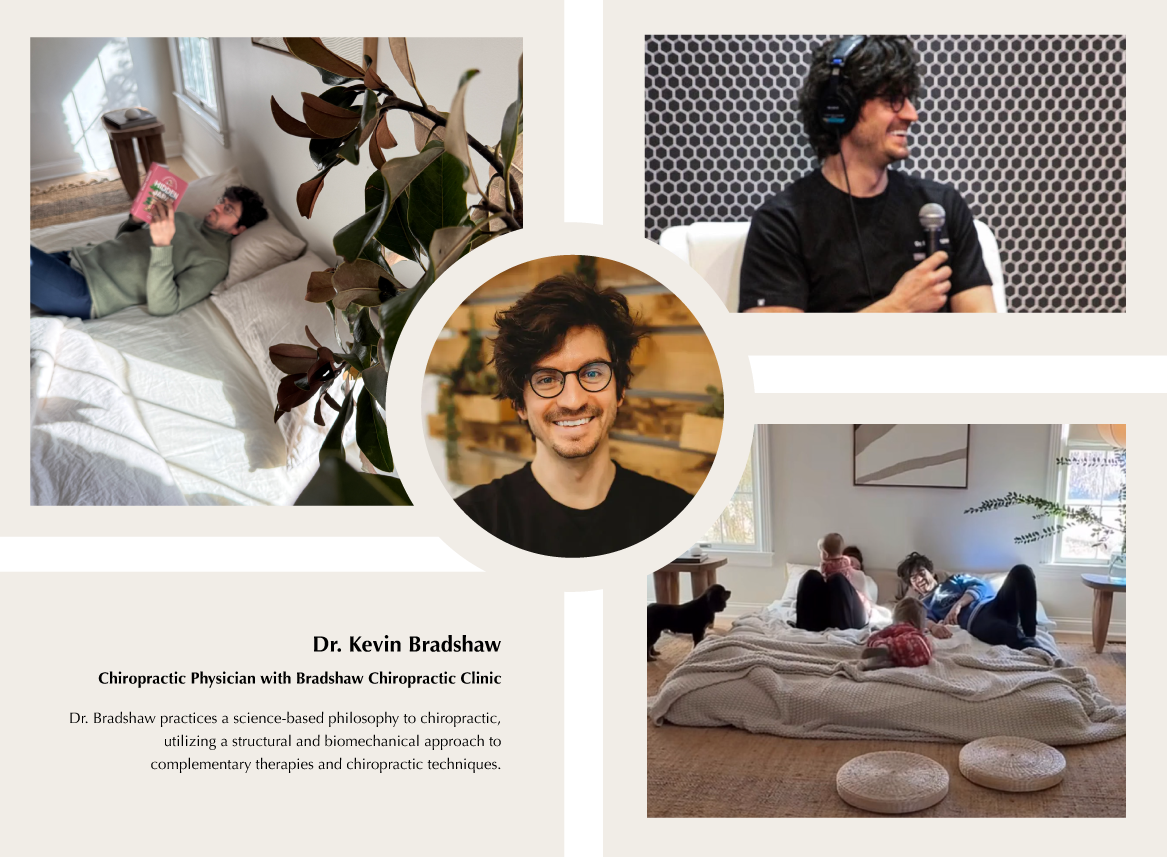
As more people explore minimalist and supportive sleep solutions, traditional Japanese floor mattresses - also known as shikifutons - have gained attention for their firm, grounded design.
To better understand this style of sleeping from a chiropractic perspective, The Futon Shop invited Dr. Kevin Bradshaw, Chiropractic Physician with Bradshaw Chiropractic Clinic, PLLC, to evaluate The Futon Shop's shikifuton sleep system and share his professional observations about firmness, support, sleep posture, and ergonomics.
Disclosure: Dr. Kevin Bradshaw was compensated by The Futon Shop for his professional review of The Futon Shop's shikifuton sleep system. His comments reflect his professional opinion within the scope of his chiropractic expertise.

The Futon Shop: What stands out to you about a traditional Japanese-style floor mattress?
Dr. Kevin Bradshaw, Chiropractic Physician with Bradshaw Chiropractic Clinic, PLLC:
"From a chiropractic perspective, one of the most noticeable characteristics of a traditional Japanese-style floor mattress is its firmness.
A firmer sleep surface generally allows less sinking than a deeply cushioned mattress. When evaluating a sleep surface, I look at how it supports the body and whether the sleeper can maintain a comfortable, neutral sleeping position.
The appropriate level of firmness is highly individual and can depend on factors including body type, sleeping position, personal comfort preferences, and existing health considerations."

The Futon Shop: How does spinal alignment during sleep affect overall comfort and posture?
Dr. Kevin Bradshaw, Chiropractic Physician with Bradshaw Chiropractic Clinic, PLLC:
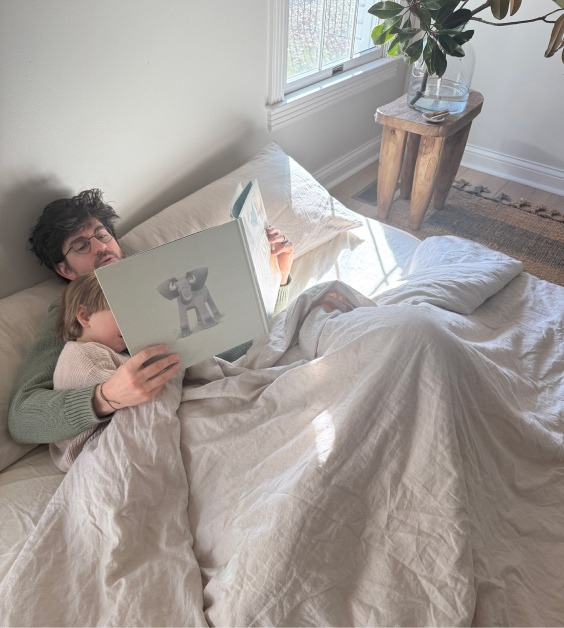
"Support and comfort work together when considering sleep ergonomics.
If a sleep surface allows certain areas of the body to sink considerably more than others, some sleepers may find it more difficult to maintain a comfortable sleeping position.
A firmer mattress creates a different experience by limiting how deeply the body sinks into the surface.
That does not mean firmer is automatically better for every person. The goal is finding a sleep surface that feels supportive and comfortable for the individual sleeper."
The Futon Shop: What do you look for when evaluating sleep posture?
Dr. Kevin Bradshaw, Chiropractic Physician with Bradshaw Chiropractic Clinic, PLLC:
"When I think about sleep ergonomics, I consider the relationship between the mattress, sleeping position, pillow, and the individual.
There isn't one mattress or sleeping position that is right for everyone.
For example, a side sleeper may prefer more cushioning around the shoulders and hips than someone who sleeps primarily on their back.
That is why I believe people should pay attention to how their body responds to a new sleep surface rather than assuming that one particular level of firmness is universally ideal."
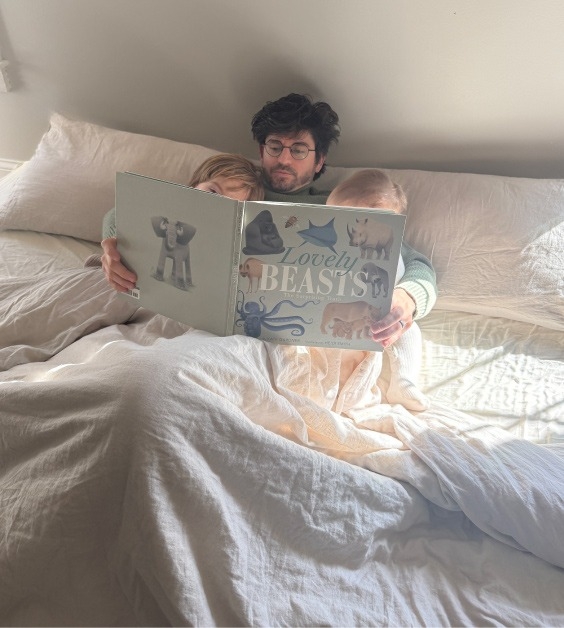

The Futon Shop: How is sleeping closer to the floor different from sleeping in a conventional elevated bed?
Dr. Kevin Bradshaw, Chiropractic Physician with Bradshaw Chiropractic Clinic, PLLC:
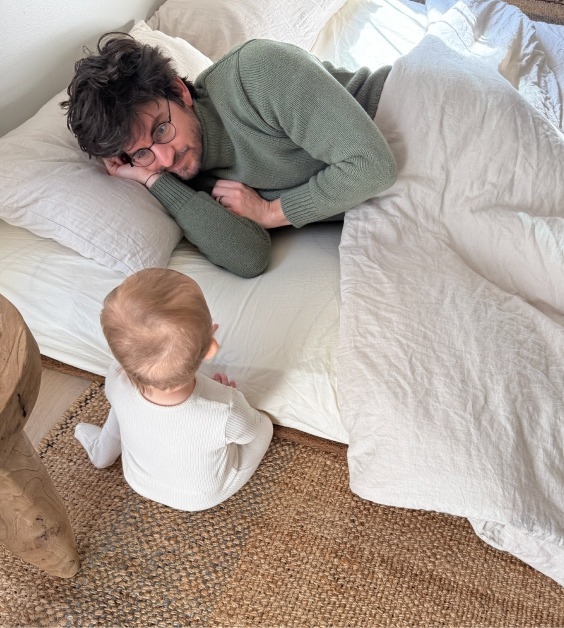
"A floor-based sleep system changes more than mattress height.
Getting down to and rising from a floor-level mattress requires a different movement pattern than getting into a traditional elevated bed.
For people who comfortably have the mobility to perform those movements, that can become part of the experience of floor sleeping.
However, floor sleeping may not be appropriate for someone who has difficulty getting down to or rising from the floor. Individual mobility and physical limitations should always be considered."
The Futon Shop: What role do materials and construction play in your evaluation?
Dr. Kevin Bradshaw, Chiropractic Physician with Bradshaw Chiropractic Clinic, PLLC:
"From my perspective as a chiropractor, my primary evaluation is focused on the support characteristics and sleep ergonomics of the surface.
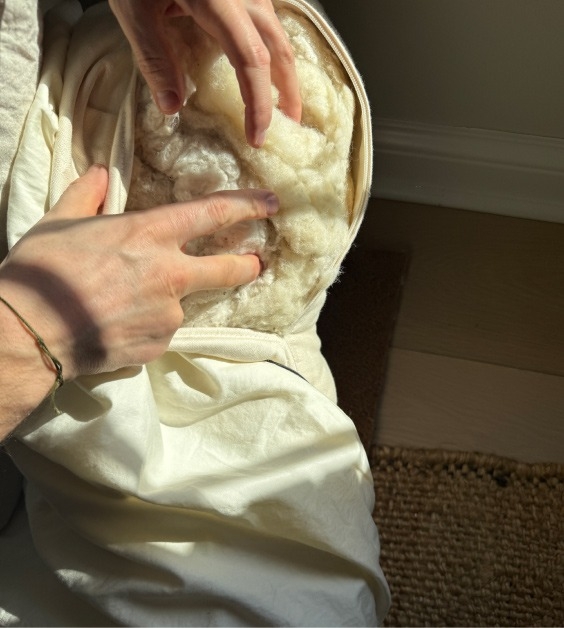
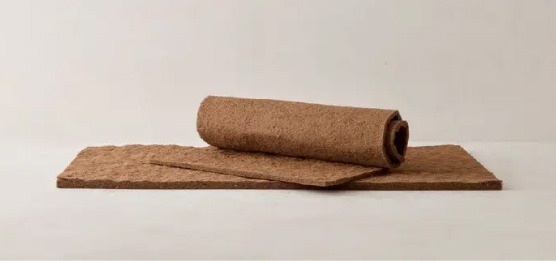
The materials and construction determine how a mattress feels and responds to the sleeper, so consumers should understand what is inside the product they are considering.
I also appreciate the transparency of knowing how a mattress is constructed and what materials are being used."
Shop Dr. Bradshaw's Mattress Set Up

The Futon Shop: Is a traditional Japanese floor mattress right for everyone?
Dr. Kevin Bradshaw, Chiropractic Physician with Bradshaw Chiropractic Clinic, PLLC:
"That said, a traditional Japanese floor mattress is not ideal for everyone.
People have different body types, sleeping positions, comfort preferences, mobility levels, and health considerations.
An adjustment period is also common as the body adapts to a firmer surface.
People with existing musculoskeletal conditions, injuries, mobility limitations, or other health concerns should speak with their own healthcare provider about what type of sleep surface may be appropriate for their individual needs."
The Futon Shop: Final thoughts - what should consumers know about traditional Japanese floor mattresses from a chiropractic perspective?
Dr. Kevin Bradshaw, Chiropractic Physician with Bradshaw Chiropractic Clinic, PLLC:
"I would encourage people to think about support, comfort, sleeping position, and their own physical needs.
A traditional Japanese-style mattress provides a distinctly firmer and more grounded sleep experience than many conventional mattresses.
Rather than thinking of any mattress as a treatment or solution to a medical problem, I think the better approach is to evaluate whether the mattress provides the level of support and comfort that works for you."
Professional Review Disclosure: Dr. Kevin Bradshaw was compensated by The Futon Shop for his professional review.
"Chiropractor reviewed" refers to an evaluation by an individual licensed chiropractic professional.
Dr. Bradshaw's comments represent his professional opinion and are not individualized medical advice.
This product is not endorsed by the American Chiropractic Association or any national chiropractic organization unless explicitly stated.
Individual results may vary. This product is not intended to diagnose, treat, cure, or prevent any medical condition.
Consumers with specific medical or musculoskeletal concerns should consult an appropriate healthcare professional.
Learn more about Dr. Kevin Bradshaw at Bradshaw Chiropractic Clinic, PLLC.