



Suzie Futon's Secret Organic Garden
At The Futon Shop we are dedicated to using the most earth friendly materials for our mattresses & look for ways to go organic everywhere we can. Explore the content below to learn more about Organic Farming and Practices, Natural Ingredients, & How to Get the best Night's Sleep!
ORGANIC COTTON FACTS
Of all organic fibers, organic cotton is one of the most popular. Here are some facts about the growing organic cotton industry:
What is "organic cotton?"
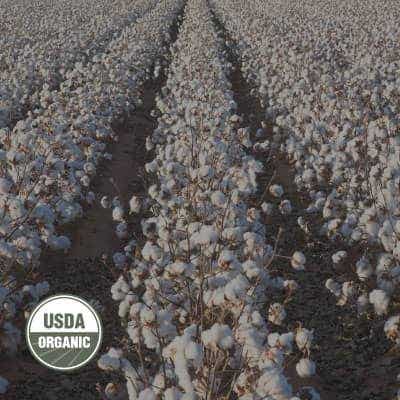
Organic cotton is grown using methods and materials that have a low impact on the environment. Organic production systems replenish and maintain soil fertility, reduce the use of toxic and persistent pesticides and fertilizers, and build biologically diverse agriculture. Third-party certification organizations verify that organic producers use only methods and materials allowed in organic production. Organic cotton is grown without the use of toxic and persistent pesticides and synthetic fertilizers. In addition, federal regulations prohibit the use of genetically engineered seed for organic farming. All cotton sold as organic in the United States must meet strict federal regulations covering how the cotton is grown.How much organic cotton is grown globally?
Organic cotton grown by farmers worldwide increased 152 percent during the 2007-2008 crop year, according to the Organic Cotton Farm and Fiber Report 2008 released by Organic Exchange. As a result, organic cotton production reached 145,872 metric tons (MT), equaling 668,581 bales, grown on 161,000 hectares in 22 countries. Approximately 60 percent of the total represents expansion of known projects, while the remaining 40 percent represents data from new projects becoming certified or previously unknown projects. According to the report, the production increase was driven in large part by the heightened demand for organic cotton from small- to large-sized retailers around the world. India took over Turkey’s long-standing position as the leading producer of organic cotton, seeing its production increase by 292 percent to reach 73,702 MT, or about half of world organic cotton production. Other leading organic cotton producers, according to rank, were Syria, Turkey, China, Tanzania, United States, Uganda, Peru, Egypt and Burkina Faso.How much organic cotton is grown in the U.S.?
In 2008, U.S. acreage planted with organic cotton increased for second straight year, according to research compiled by the Organic Trade Association (OTA). Analysis of available data found that the total acres planted in organic cotton grew from 8,510 in 2007 to 9,279 in 2008, constituting a nine percent increase. Harvest acreage figures for 2008 are not yet available. Other findings show 14,025 bales of organic cotton were harvested in 2007, representing a 73 percent increase over the previous year, when the total number of bales was 8,116. The U.S. organic cotton harvest represents about 2.1 percent of total global organic cotton production. To compile the research, OTA surveyed organic cotton farmers in the United States who grew organic cotton in 2007, and combined those results with acreage and harvest figures from the Texas Organic Cotton Marketing Cooperative. Ten of 62 farms surveyed returned surveys that met the criteria for analysis. OTA’s survey, funded by Cotton Inc., asked about the types of cotton planted and harvested. Survey respondents planted 2,590 acres of organic upland cotton and 245 acres of organic pima cotton. In 2007, survey respondents harvested 1,716 acres of organic upland cotton and 225 acres of organic pima cotton. Other survey findings revealed that changes are taking place within the organic cotton market. Organic cotton farmers saw the range in average price they received per pound increase from between $0.85 and $1.25 for organic upland cotton in 2006 to between $1 and $1.50 in 2007. Organic pima cotton farmers saw a similar increase in price, ranging from $1.65 to $2.09 in 2006 to $1.05 to $3 in 2007. Additional findings from the 2008 survey make clear that several challenges lie ahead for U.S. organic cotton producers. Such producers remain in need of educational and economic resources to support their organic practices and build awareness of and access to high-quality markets for their organic cotton products. Despite these challenges, survey data and projections from farmers forecast growth in production of U.S. organic cotton during 2009 to approximately 12,000 acres, a 29 percent increase from 2008.How is the apparel industry involved with organic cotton?
Apparel companies are developing programs that either use 100 percent organically grown cotton, or blend small percentages of organic cotton with conventional cotton in their products. There are a number of companies driving the expanded use of domestic and international organic cotton. For a current list of OTA members with fiber products, visit The Organic Pages Online™ at http://www.ota.com/.What kinds of products are made using organic cotton?
As a result of consumer interest, organic cotton fiber is used in everything from personal care items (sanitary products, make-up removal pads, cotton puffs and ear swabs), to home furnishings (towels, bathrobes, sheets, blankets, bedding), children's products (toys, diapers), clothes of all kinds and styles (whether for lounging, sports or the workplace), and even stationery and note cards. In addition, organic cottonseed is used for animal feed, and organic cottonseed oil is used in a variety of food products, including cookies and chips.How fast is the organic fiber market growing?
In 2006, organic fiber linens and clothing sales in the United States grew by 26 percent over the previous year, to reach $203 million, according to the Organic Trade Association's 2007 Manufacturer Survey. According to the 2006 edition of this survey, women's clothing accounted for 36 percent of total organic fiber consumer sales in 2005, amounting to $57 million in sales. Men's and child/teen clothing grew 56 and 52 percent, respectively, in 2005, while infant's clothing/cloth diapers grew 40 percent and accounted for $40 million in sales.Soil Health
Organic agriculture builds the health of the soil, providing the foundation for healthy crops and a livelihood for good stewards of the land.In order to be certified organic, crops must be grown on land free of prohibited substances for at least three years prior to harvest. Crops grown on land in transition to organic (during the first three years after switching from conventional farming) cannot be labeled as organic.
National organic standards require producers to use organic agricultural methods and materials that cover soil fertility, the application of manure, crop rotation, and composting. National organic standards prohibit the use of municipal solid waste and sewage sludge as compost ingredients.
Organic producers also must follow a National List of Acceptable and Prohibited Materials concerning pest control treatments, fertilizers and seed treatments that they use. All agricultural materials must be evaluated for their long-term effects on the environment and not simply whether they are synthetic or natural.
- High organic matter content has a positive effect on soil physical properties. For example, soils with high organic matter content contain a greater abundance of water-stable aggregates and have a greater exchange capacity, which translates into better structure and water-holding and nutrient absorption capacities. Larger aggregates also slow organic matter degradation, producing a slowly mineralizing pool of nutrients.
Organic matter also reduces crop attractiveness to insect pests. In fact, crops growing in soils receiving diverse organic matter inputs have been shown to be less attractive to some insect pests, as a result of a more nutritionally-balanced growth medium.
Source: http://www.mosesorganic.org/attachments/productioninfo/fsfertility.html
- A four-year study by the International Assessment of Agricultural Science and Technology found that organic agriculture is helpful in protecting soils and conserving wildlife. The study, which represents the work of over 400 scientists and 30 governments and NGOs, grew out of discussions by the World Bank and the United Nations’ Food and Agricultural Association about the need for an international assessment of the role of agricultural knowledge, science, and technology in “reducing hunger and poverty, improving rural livelihoods, and facilitating environmentally, socially, and economically sustainable development.”
Source: http://www.agassessment.org/.
- Research conducted jointly by scientists at the University if Wisconsin-Madison and the agricultural consulting firm AGSTAT published in the March-April 2008 Agronomy Journal found that organic crop rotations had similar yields to their conventional counterparts. The research compared six cropping systems (three cash grain and three foraged-based crops), which ranged from diverse organic systems to conventional systems. Results of this multi-year study found that forage crops produced using organic methods yielded as much or more dry matter as their conventional counterparts “with quality sufficient to produce as much milk as…conventional systems.” The results of the study also revealed that organic corn, soybeans, and winter wheat produced 90% as well as the same crops produced in a conventional manner.
Source:https://www.soils.org/.
- A nine-year study by USDA Agricultural Research Service (ARS) researchers at Beltsville, MD, has shown that organic farming can build up soil organic matter better than conventional no-till farming can.
Source: Agricultural Research “No Shortcuts in Checking Soil Health,” July 2007. Posted at http://www.ars.usda.gov/is/AR/archive/jul07/soil0707.htm?pf=1.
- The Long-Term Agricultural Research (LTAR) initiative funded by the Leopold Center in Iowa has shown greater yield, increased profitability, and steadily improved soil quality in organic over conventional rotations in grain-based cropping systems, according to an article in the Summer 2007 Leopold Letter. The initiative, begun in 1998, is being conducted at the Neely-Kinyon Research Farm near Greenfield, IA. The research tests whether organic systems relying on inputs such as composted manure can promote stable yields, soil quality, and plant protection. Results are then compared with a corn-soybean rotation supported by greater levels of inputs such as fossil-based fuels.
Source: Leopold Letter, Summer 2007.
- A study of apple farming published in Nature found organic orchards can be more profitable, produce tastier fruit at similar yields compared to conventional farming, and be better for the environment. In the six-year study, John P. Reganold and colleagues (Jerry D. Glover, Preston K. Andrews, and Herbert R. Hinman) at Washington State University in Pullman farmed three experimental plots of Golden Delicious apples using organic, conventional, and "integrated" growing methods. Although the organic system took longer to reach profitability, it ranked first in terms of environmental sustainability, profitability and energy efficiency by the end of the study. Integrated farming, reducing the use of chemicals by combining organic and conventional production methods, came in second, with conventional farming last.
Source: Nature 410:926-930 (April 19, 2001).
- The way manure is stored makes a big difference in terms of the effects it has on the soil. Studies have shown, for instance, that composted manure decomposes more slowly, thus releasing nitrogen more slowly in the soil. Thus, composted manure becomes a soil builder. About 25 percent of the dry matter from composted cow manure is in the form of ligno-proteins, a marriage of lignins and proteins. As a result, it is very stable, and decomposes slowly.
Source: Walter Goldstein, research director at the Michael Fields Agriculture Institute, in a talk, "Healthy Soils, healthy Roots: Part 2," given at Upper Midwest Organic Farming Conference, March 2000, LaCrosse, WI, as published in the November-December 2001 issue of The Organic Broadcaster.
- A 1987 study that compared adjoining organic and chemically treated wheat fields in Washington State found that the organic fields had eight more inches of topsoil than their chemical neighbors and only one-third the erosion loss.
Source: Donella H. Meadows, "Our food, our future," in Organic Gardening, September/October 2000.
- One teaspoon of compost-rich organic soil hosts 600 million to 1 billion helpful bacteria from 15,000 species. One teaspoon of chemically treated soil can host as few as 100 bacteria.
Source: Elaine R. Ingham, soil scientist, Oregon State University, "Our food, our future," by Donella H. Meadows, in Organic Gardening, September/October 2000.
- It takes approximately 3,000 years for nature to produce six inches of topsoil. Every 28 years, 1 inch of topsoil is lost as a result of current farming practices. Organic biointensive farming can produce six inches of topsoil in as little as 50 years—60 times faster than the rate in nature.
Source: Maine Organic Farmer & Gardener, 1999, in "Our food, our future," by Donella H. Meadows, in Organic Gardening, September/October 2000.
- Organic farming enhances soil fertility and biodiversity, according to findings from a 21-year field trial initiated by the Research Institute of Organic Agriculture (FiBL) in Switzerland. Begun in 1978 in Therwil, Switzerland, the DOK trial compares the consequences of organic, biodynamic, and conventional farming systems in a randomized plot trial. According to the 16-page field trial report:
"Fertilization in organic systems has a positive effect on the content of organic matter and helps to avoid soil acidification;"
"Organic soil management improves soil structure by increasing soil activity, thus reducing the risk of erosion;"
"Organic management promotes the development of earthworms and above ground arthropods, thus improving the growth conditions of the crop. More abundant predators help to control harmful organisms (pests);"
"Organic crops profit from root symbioses and are better able to exploit the soil;"
"Organic fields accommodate a greater variety of plants, animals and microorganisms."
Source: FiBL Dossier: Organic farming enhances soil fertility and biodiversity, August 2000.
- Organic methods are as efficient, economical and financially competitive as conventional methods, and better for the soil and the environment, according to a report documenting 15 years of findings from The Rodale Institute’s long-term Farming Systems Trial™. The experiment covers 12 acres and compares highly productive, intensive corn/soybean systems under conventional and organic management. The experiment demonstrates that after a transitional period of about four years, crops grown under organic systems yield as well as, and sometimes better than, those grown conventionally. In years of drought, organic systems can actually out-produce conventional systems. Specific findings:
"Organically managed soils achieve better physical structure. Soils in the organic systems gradually became looser and more porous, and absorbed and held water better than conventionally managed soils.
The organic soils "had reduced levels of nitrate leaching compared to the conventional soils and were more effective as a carbon sink."
"Water is able to percolate into the organically managed soils at a faster rate. During rain storms, more water will be absorbed into the soil and less will run over the surface and out of the field."
"As measured by soil respiration rates and available or potentially available nitrogen levels, both of the organic systems indicate higher levels of microbial activity than the conventional system. Potentially more significant, the organic and conventional systems have differences in the species composition of microorganisms."
"Both organic systems showed significant ability to absorb and retain carbon, raising the possibility that agricultural practices might play a role in reducing the impact of global warming."
Source:: The Rodale Institute Farming Systems Trial™: The First 15 Years, by Cass Petersen, Laurie E. Drinkwater, and Peggy Wagoner, the Rodale Institute, 1999.
- A University of Wisconsin-Madison study has shown composted manure can increase crop yields and disease resistance. In field trials at Harmony Valley Farms in Viroqua, researchers used an untreated control, composted goat manure, composted dairy cow manure, and a commercially available feather meal product mixed with soybean meal. The same field was used in both seasons, allowing observations on cumulative effects of compost applications in the second year. Researchers found dairy manure compost increased crop yields by an average of ten percent. Soil microbiology research found that the ratio of total fungal to total bacterial biomass was a strong predictor of yield.
Source: Center for Integrated Agricultural Systems, University of Wisconsin’s College of Agricultural and Life Sciences (phone: 608-262-5200).
Organic Trade Association, August 2008
BETTER SLEEP COUNCIL SLEEPING TIPS
The sleep set is literally the foundation of your sleep. It’s important to make an overall commitment to healthy, restorative sleep. Here are some tips from the Better Sleep Council for maintaining a healthy sleep cycle and ensuring the best night’s rest:
1. Make sleep a priority by keeping a consistent bedtime and wake schedule, including weekends.
2. Create a bedtime routine that is relaxing. Experts recommend reading a book, listening to soothing music or soaking in a hot bath.
3. Create a room that is dark, quiet, comfortable and cool for the best possible sleep.
4. Evaluate your mattress and pillow to ensure proper comfort and support. If your mattress is five to seven years old, it may be time for a new one. In general, pillows should be replaced every year.
5. Keep work materials, computers and televisions out of the bedroom.
6. Exercise regularly, but complete workouts at least two hours before bedtime.
7. If you sleep with a partner, your mattress should allow each of you enough space to move easily. A queen mattress is ideal for two people sharing a mattress.
8. Avoid eating, alcohol, nicotine and caffeine close to bedtime. These can lead to poor sleep, keep you awake or disrupt sleep later in the night.
Resources
If you think you are suffering from a serious sleep problem, such as insomnia, sleep apnea, narcolepsy or restless leg syndrome, consult your doctor or a sleep specialist. For general questions and inquiries about sleep and sleep disorders, request consumer information from:
National Center on Sleep Disorders Research –
National Heart, Lung and Blood Institute (NHLBI) Information Center
P.O. Box 30105, Bethesda, MD 20824
Phone: 301-435-0199 Fax: 301-480-3451
Web site: www.nhlbi.nih.gov/about/ncsdr
As of July 1, 2007, all mattresses produced for sale in the United States must meet a new federal safety standard issued by the Consumer Products Safety Commission (CPSC). As always, consumers should shop for the most comfortable and supportive mattress they can find. For more information, visit www.mattressregulation.org.
For additional sleep tips and to download the Better Sleep Guide, please visit www.bettersleep.org or call 703-683-8371.
Cotton and the Environment
Benefit of Organic
Organic agriculture protects the health of people and the planet by reducing the overall exposure to toxic chemicals from synthetic pesticides that can end up in the ground, air, water and food supply, and that are associated with health consequences, from asthma to cancer. Because organic agriculture doesn't use toxic and persistent pesticides, choosing organic products is an easy way to help protect yourself. Acreage estimates for the 2006 U.S. cotton crop show approximately 5,971 acres of certified organic cotton were planted in the United States and in 2007, farmers planed 7,473 acres. Internationally, Turkey and the United States are the largest organic cotton producers.Demand is being driven by apparel and textile companies that are expanding their 100% organic cotton program and developing programs that blend small percentages of organic cotton with their conventional cotton products.
Here are some reasons why organic cotton production is important to the long-term health of the planet.
Cotton is considered the world's 'dirtiest' crop due to its heavy use of insecticides, the most hazardous pesticide to human and animal health. Cotton covers 2.5% of the world's cultivated land yet uses 16% of the world's insecticides, more than any other single major crop (1).Aldicarb, parathion, and methamidopho, three of the most acutely hazardous insecticides to human health as determined by the World Health Organization, rank in the top ten most commonly used in cotton production. All but one of the remaining seven most commonly used are classified as moderately to highly hazardous (1).
Aldicarb, cotton's second best selling insecticide and most acutely poisonous to humans, can kill a man with just one drop absorbed through the skin, yet it is still used in 25 countries and the US, where 16 states have reported it in their groundwater (1).
Insecticide use has decreased in the last 10 years with the introduction of Biotechnology (BT), the fastest adapted yet most controversial new technology in the history of agriculture. As of 2007, Bt cotton already commands 34% of total cotton cropland and 45% of world cotton production. In Bt cotton, the insecticide is always present in the plant rather than applied in periodic spraying sessions which will lead to rapid rates of pest immunities and possibly produce superpests (3).
It can take almost a 1/3 pound of synthetic fertilizers to grow one pound of raw cotton in the US, and it takes just under one pound of raw cotton to make one t-shirt (4).
Nitrogen synthetic fertilizers are considered the most detrimental to the environment, causing leaching and runoff that freshwater habitats and wells (5).
Nitrogen synthetic fertilizers are a major contributor to increased N2O emissions, which are 300 times more potent than CO2 as greenhouse gas (5), which is ominous for global warming as synthetic fertilizer use is forecasted to increase roughly 2.5 times by mid-century (6).
Organic farming methods use natural fertilizers, like compost and animal manure, that recycles the nitrogen already in the soil rather than adding more, which reduces both pollution and N2O emissions (5).
The cottonseed hull, where many pesticide residues have been detected, is a secondary crop sold as a food commodity. It is estimated that as much as 65% of cotton production ends up in our food chain, whether directly through food oil or indirectly through the milk and meat of animals (1).
Cottonseed and field trash is usually sold for animal feed. Studies in Brazil and Nicaragua have show traces of common cotton pesticides in cow milk, fueling concerns about chemical residues on the cottonseed (1).
The developing world is home to 99% of all cotton farmers and produces 75% of the world's total cotton, so it bears the brunt of cotton's environmental and health concerns (1).
Rural farmers lack the necessary safety equipment, protective clothing, and training for handling hazardous pesticides. In India, one in ten pesticide applications results in three or more reported health symptoms related to pesticide exposure (1).
Surveys show that rural cotton farmers often store pesticides in their bedrooms or in close proximity to their food and some even reuse pesticide containers for drinking water. These farmers and their families are at highest risk for acute pesticide poisoning as well as chronic effects (1)
US cotton subsidies artificially lower cotton prices while production costs for Biotech (Bt) seeds and pesticides are rising, causing financial stress in the rest of the world's cotton-producing areas. India's once prestigious cotton belt is now referred to as the "suicide belt" due to farmers unable to accept growing debts. Since 2003, the suicide rate has averaged one every eight hours in Vidarba, India (7).
During the conversion of cotton into conventional clothing, many hazardous materials are used and added to the product, including silicone waxes, harsh petroleum scours, softeners, heavy metals, flame and soil retardants, ammonia, and formaldehyde-just to name a few (8).
Many processing stages result in large amounts of toxic wastewater that carry away residues from chemical cleaning, dyeing, and finishing. This waste depletes the oxygen out of the water, killing aquatic animals and disrupting aquatic ecosystems (8).
The North American Organic Fiber Processing Standards prohibits these and similar chemicals.
Cotton uses approximately 25% of the world's insecticides and more than 10% of the pesticides (including herbicides, insecticides, and defoliants.). (Allan Woodburn)
Approximately 10% of all pesticides sold for use in U. S. agriculture were applied to cotton in 1997, the most recent year for which such data is publicly available. (ACPA)
Fifty-five million pounds of pesticides were sprayed on the 12.8 million acres of conventional cotton grown in the U.S. in 2003 (4.3 pounds/ acre), ranking cotton third behind corn and soybeans in total amount of pesticides sprayed. (USDA)
Over 2.03 billion pounds of synthetic fertilizers were applied to conventional cotton in 2000 (142 pounds/acre), making cotton the fourth most heavily fertilized crop behind corn, winter wheat, and soybeans. (USDA)
The Environmental Protection Agency considers seven of the top 15 pesticides used on cotton in 2000 in the United States as "possible," "likely," "probable," or "known" human carcinogens (acephate, dichloropropene, diuron, fluometuron, pendimethalin, tribufos, and trifluralin). (EPA)
In 1999, a work crew re-entered a cotton field about five hours after it was treated with tribufos and sodium chlorate (re-entry should have been prohibited for 24 hours). Seven workers subsequently sought medical treatment and five have had ongoing health problems. (California DPR)
Sources:
1) EJF. (2007). The deadly chemicals in cotton. Environmental Justice Foundation in collaboration with Pesticide Action Network UK: London, UK. ISBN No. 1-904523-10-2.
(2) Whitford, F., Pike, D., Burroughs, F., Hanger, G. Johnson, B., & Brassard, D. (2006). The pesticide marketplace: Discovering and developing new products. Purdue University Extension, report # PPP-71.
(3) Chaudhry, M.R., (2007, March 6-8). Biotech applications in cotton: Concerns and challenges. Paper presented at the Regional Consultation on Biotech Cotton for Risk Assessment and Opportunities for Small Scale Cotton Growers (CFC/ICAC 34FT), Faisalabad, Pakistan.
(4) Lauresn, S. E., Hansen, J., Knudsen, H. H., Wenzel, H., Larsen, H. F., & Kristensen, F. M. (2007). EDIPTEX: Environmental assessment of textiles. Danish Environmental Protection Agency, working report 24.
(5) Kramer, S. B., Reganold, J. P., Glover, J. D., Bohannan, B. J. M., & Mooney, H. A. (2006). Reduced nitrate leaching and enhanced denitrifier activity and efficiency in organically fertilized soils. PNAS, 103 (12), 4522-4527.
(6) Tilman, D., Cassman, K., Matson, P., Naylor, R., & Polasky, S. (2002). Nature (418), 71-677.
(7) de Sam Lazaro, F. (2007). The dying fields: India's forgotten farmers [Television series episode]. In WNET (producer), Wide Angle. New York: Public Broadcasting Station.
(8) Kadolph, S. J., & Langford, A. L. (2002). Textiles (9th ed.). Upper Saddle River, NJ: Prentice Hall.
OTA's "2006 U.S. Organic Production & Marketing Trends"report.
Allen Woodburn Associates Ltd./Managing Resources Ltd., "Cotton: The Crop and its Agrochemicals Market," 1995.
American Crop Protection Association, "1997 Total U. S. Sales by Crop Protection Product Type and Market," 1998 ACPA Industry Profile.
California Department of Pesticide Regulation, "DPR Releases Data on 1999 Pesticide Injuries," 2001.
U. S. Department of Agriculture, "Agricultural Chemical Usage: 2003 Field Crop Summary."
U. S. Environmental Protection Agency, "List of Chemicals Evaluated for Carcinogenic Potential," 2001.
©2009, Organic Trade Association
Health of the Planet and its Inhabitants
"If people really understood the connection of environmental damage to their own lives, they would be much more motivated to preserve and protect the environment."
--Dr. Eric Chivian, director of Harvard’s Center for Health and the Global Environment, in Veterinary World, Spring 1999.
Organic agriculture protects the health of people and the planet by reducing the overall exposure to toxic chemicals from synthetic pesticides that can end up in the ground, air, water and food supply, and that are associated with health consequences, from asthma to cancer. Because organic agriculture doesn’t use toxic and persistent pesticides, choosing organic products is an easy way to help protect yourself.
Organic growers use biological and cultural practices as their first line of defense against pests. Methods include crop rotation, the selection of resistant varieties, nutrient and water management, the provision of habitat for the natural enemies of pests, and release of beneficial organisms to protect crops from damage. The only pesticides that allowed in organic agricultural must be on an approved use, with restricted use.
- Reporting on its study examining pesticide residues in foods bought around the country, Consumer Reports in January 1998 noted: "Our side-by-side tests of organic, green-labeled, and conventional unlabeled produce found that organic foods had consistently minimal or nonexistent pesticide residue."
Source: "Greener Greens? The Truth about Organic Foods," Consumer Reports, January 1998, page 13.
Meanwhile, consumers are exposed to toxic and persistent chemicals due to current practices:
- U.S. consumers can experience up to 70 daily exposures to residues from persistent organic pollutants (POPs) through their diets, according to a report from the Pesticide Action Network North America. The top ten POP-contaminated food items (in alphabetical order) are butter, cantaloupe, cucumbers/pickles, meatloaf, peanuts, popcorn, radishes, spinach, summer squash, and winter squash. The two most pervasive POPs in food are dieldrin and DDE (a breakdown product of DDT). The use of POPs is not allowed in organic agriculture. Exposure to POPS has been linked to breast and other types of cancer, immune system suppression, nervous system disorders, reproductive damage, and disruption of hormonal systems.
Source: "Nowhere to Hide: Persistent Toxic Chemicals in the U.S. Food Supply," by Kristin Schafer, Pesticide Action Network North America, 2000 (www.panna.org). - "Pesticides pose special concerns to children because of their high metabolisms and low body weights. More than 1 million children between the ages of 1 and 5 ingest at least 15 pesticides every day from fruits and vegetables. More than 600,000 of these children eat a dose of organophosphate insecticides that the federal government considers unsafe, and 61,000 eat doses that exceed benchmark levels by a factor of 10 or more."
Source: Food for Thought: The Case for Reforming Farm Programs to Preserve the Environment and Help Family Farmers, Ranchers and Foresters, pages 12-13, found at www.environmentaldefense.org/pubs/Reports. Original Source: Environmental Working Group, Overexposed: Organophosphate Insecticides in Children’s Food, 1998, pp. 1-3. - The Canadian House of Commons Standing Committee on Environment and Sustainable Development has released a report urging consumers to wash fruits and vegetables thoroughly before eating to remove pesticide residues. "As many as 16 separate pesticide applications may be made on apples each year to combat the apple scab. Where possible, organic products should be chosen," it said, adding, "The advantages of organic farming are many: reduced soil erosion, retention of soil nutrients, surface and ground water that is uncontaminated by pesticides. We urge the government to enable farmers to take advantage of this economic opportunity by providing them with the necessary information, technical assistance and financial incentives."
Source: "Pesticides: Making the Right Choice, for the Protection of Human Health and the Environment," Canadian House of Commons Standing Committee on Environment and Sustainable Development, available on the Parliament of Canada web site (www.parl.gc.ca), or by calling 613-996-1483 (e-mail: envi@parl.gc.ca). - Data from the Associazione Italiana per l’Agricoltura Biologica and Legambiente show consumers in Italy annually consume approximately two kilos of chemicals and pesticides from products grown through conventional farming practices. In 2000, 30 percent of vegetables and 40 percent of fruit in more than 5,000 fruit and vegetable samples in Italy showed evidence of pesticide residues.
Source: Associazione Italiana per l’Agricoltura Biologica and Legambiente, Oct. 2, 2001, as cited in The Organic Newsline from organicTS.com, Vol. 2, Issue 38, Oct. 4, 2001. - Analyzing U.S. Department of Agriculture’s Pesticide Data Program data comparing the relative amounts and toxicity of pesticide residues in different foods, a Consumer Union report found that fresh peaches, frozen and fresh winter squash, apples, grapes, spinach, pears, and green beans had some of the highest Toxicity Index ratings. As a result, the Consumers Union recommended purchasing organically grown apples, peaches, pears, grapes, winter squash, spinach and green beans.
Source: "Do you know what you’re eating? An analysis of U.S. Government Data on Pesticide Residues in Foods," February 1999, Consumers Union of United States Inc., Edward Groth III, project director. - In a May 2000 update to its 1999 report on food safety, the Consumers Union reconfirmed that pesticide residues in food children eat every day often exceed safe levels. According to the update, an independent analysis of USDA’s 1998 tests on fruits and vegetables found high levels of pesticide residues on conventionally grown winter squash, peaches, apples, grapes, pears, green beans, spinach, strawberries, and cantaloupe.
Source: "Update: Pesticides in Children’s Foods," Consumers Union of United States Inc., May 2000.
Measurable effects of pesticides in the environment:
- Toxic chemicals are contaminating groundwater on every inhabited continent, endangering the world’s most valuable supplies of freshwater, according to a WorldWatch paper. As a result, author Payal Sampat called for a systematic overhaul of manufacturing and industrial agriculture. He noted that since 1998, farmers in China’s Yunnan Province have eliminated their use of fungicides while doubling rice yields by planting more diverse varieties of the grain. Meanwhile, several water utilities in Germany now pay farmers to switch to organic operations because moving farmers to organic practices costs less than removing farm chemicals from water supplies.
Source: "Deep Trouble: The Hidden Threat of Groundwater Pollution," by Payal Sampat, Worldwatch Paper 154, December 2000. - A study published in the Journal of Agricultural and Food Chemistry showed DDT, chlordane and some other organochlorine pesticides keep showing up in the food supply years after they were banned. Planting a garden in ground heavily treated with chlordane 38 years earlier, scientists found chlordane residues in all 12 vegetables planted, including lettuce, zucchini, potatoes and carrots. Although the residues were all within safe tolerance limits established by the government, the American Chemical Society has warned that chlordane can accumulate in the human body and lead to digestive and nervous system disorders.
Source: Journal of Agricultural and Food Chemistry, May 15, 2000, cited in a May 6, 2000, Associated Press article written by Philip Brasher. - Pesticide sprays "encourage life-threatening bacteria to grow on crops," according to Canadian researcher Greg Blank in an article in the New Scientist.Researchers at the University of Manitoba in Winnipeg found that bacteria thrived in some formulations of pesticides diluted with water, growing best in chlorothalonil, linuron, permethrin, and chlorpyrifos. Blank warned that the bacteria could pose a threat to people eating raw fruit and vegetables such as strawberries, raspberries and lettuce.
Source: New Scientist, Oct. 7, 2000. - Research by Dr. Warren Porter, professor of zoology and environmental toxiciology at the University of Wisconsin at Madison, and colleagues has shown that common mixtures of pesticides in groundwater are capable of altering neurological, endocrine, and immune parameters in rats and mice. The five-year study looked at mixtures of the widely used insecticide aldicarb, herbicide atrazine, and nitrate from fertilizers at concentrations mirroring those commonly found in groundwater. Researchers noted that this data and other epidemiological research suggest that such mixtures may have an effect on aggression levels and learning disabilities in children.
Source: "Endocrine, immune, and behavioral effects of aldicarb (carbamate), atrazine (triazine) and nitrate (fertilizer) mixtures at groundwater concentrations," by Warren P. Porter, James W. Jaeger, and Ian H. Carlson, Toxicology and Industrial Health:15, pages 133-150, 1999. - A Centers for Disease Control and Prevention (CDC) report released in March 2001 found measurable amounts of organophosphate pesticide metabolites in the people studied. In the report, CDC said that organophosphate pesticides account for approximately half of the insecticides used in the United States. An estimated 60 million pounds of organophosphate pesticides are applied to about 60 million acres of U.S. agricultural crops annually, and an additional 17 million pounds are used per year for nonagricultural uses, such as in household pest control products and in lawn and garden sprays. Organophosphates are not allowed in organic agriculture.
Source: "National Report on Human Exposure to Environmental Chemicals," Centers for Disease Control and Prevention, March 21, 2001. - Traces of the toxic pesticide Lindane were found in non-organic milk in the United Kingdom in tests done during 2001, according to the government’s Pesticide Residue Committee. In a report released Dec. 13, 2001, the committee found Lindane in 8% of the non-organic milk samples tested. No traces of any pesticide were found in any of the organic milk samples tested. Earlier in 2001, the committee found traces of DDT in non-organic butter, with no traces found in organic butter.
The government has proven lax in its promises to address pesticide-related problems:
- Although the U.S. government had pledged to implement integrated pest management (IPM) on 75 percent of total U.S. crop acreage by 2000 to reduce pesticide use, statistics show pesticide use actually rose by 40 million pounds since 1992. According to the U.S. General Accounting Office report "Agricultural Pesticides: Management Improvements Needed to Further Promote Integrated Pest Management," chemical pesticide use, accounting for three-quarters of all U.S. pesticide use, increased from 900 million pounds in 1992 to 940 million pounds in 2000, while total cropland decreased. Although the use of the riskiest chemical pesticides such as organophosphates, carbamates and probable or possible carcinogens decreased from 455 million pounds of active ingredient in 1992 to about 390 million pounds in 2000, they still account for over 40 percent of the pesticides used in U.S. agriculture. The report noted that the U.S. Department of Agriculture (USDA) and U.S. Environmental Protection Agency (EPA) have done little to implement their 1993 pledge to get farmers to reduce pesticide use through the promotion of IPM programs.
Source: "Agricultural Pesticides: Management Improvements Needed to Further Promote Integrated Pest Management," U.S. General Accounting Office, August 2001. - A U.S. District judge has approved a nationwide settlement between environmentalists and the Bush administration requiring the U.S. Environmental Protection Agency to reassess by August 2002 the possible dangers of 39 commonly used organophosphate insecticides. Organophosphates account for about half of the insecticides sold in the United States, with 60 million pounds a year used on crops alone. Another provision of the settlement calls for a review of whether certain types of insecticides and weed-killers react together in drinking water to become long-term poisons. The ruling settled a 1999 lawsuit accusing EPA of ignoring legal deadlines to reassess the risks of numerous pesticides.
Source: The Organic Newsline from organicTS.com, Vol. 2, Issue 38, Oct. 4, 2001
Known effects of pesticides on humans and other living beings:
- "Exposure to pesticides can cause a range of ill effects in humans, from relatively mild effects such as headaches, fatigue, and nausea, to more serious effects such as cancer and neurological disorders. In 1999, EPA estimated that nationwide there were at least 10,000 to 20,000 physician-diagnosed pesticide illnesses and injuries per year in farm work. Environmental effects are evident in the findings of the U.S. Geological Survey, which reported in 1999 that more than 90 percent of water and fish samples from streams and about 50 percent of all sampled wells contained one or more pesticides. The concern about pesticides in water is especially acute in agricultural areas, where most pesticides are used."
Source: Agricultural Pesticides: Management Improvements Needed to Further Promote Integrated Pest Management, U.S. General Accounting Office [GAO-01-815, Page 4, August 2001]. - A National Cancer Institute researcher who matched pesticide data and medical records in 10 California agricultural counties reported that pregnant women living within nine miles of farms where pesticides are sprayed on fields may have increased risk of losing an unborn baby to birth defects.
Source: Technical Report, April 2001, Beyond Pesticides/National Coalition against the Misuse of Pesticides, Washington, D.C. - The Environmental Illness Society of Canada (EISC) has developed a 29-page report providing support for declaring a moratorium on pesticide use for cosmetic purposes. The report, which EISC presented to the Canadian House of Commons Standing Committee on Environment and Sustainable Development, notes," Pesticides have a cumulative multigenerational destructive impact on human health, especially behavior. Pesticides are a serious threat to the physical, emotional and mental development of children and future generations." Specifically: "Pesticides and other pollutants can interfere with proper sexual differentiation; they can also cause other birth defects and multigenerational health problems, such as allergies, immunotoxicity, neurotoxicity and cancer in the individual, that individual’s offspring, and subsequent generations." It added that a Canadian-USA study detected pesticides in the amniotic fluid in one-third of human pregnancies.
Source: "Pesticides: Their Multigenerational Cumulative Destructive Impact on Health, Especially on the Physical, Emotional and Mental Development of Children and of Future Generations—Canadian Government Responsibilities and Opportunities," February 2000, Environmental Illness Society of Canada (www.eisc.ca/pesticide_moratorium.html). - Scientists worldwide estimate that up to 85 percent of the sperm produced by a healthy human has DNA damage, according to John Aitken, head of biological sciences at the University of Newcastle in Australia as reported in the Montreal Gazette. Scientists suspect a variety of environmental causes, including exposure to pesticides and other industrial chemicals.
Source: Technical Report, August-September 2001, Beyond Pesticides/National Coalition Against the Misuse of Pesticides. - A report published in The Lancet suggests a link between exposure to organochlorine compounds and pancreatic cancer. In the research, patients with high concentrations of DDT and three major PCBs were over five times more likely to have a mutation of the pancreatic cancer gene than patients with low levels. "Although the results require replication, and do not prove a direct causal link between the chemicals and the mutation, they suggest new roles for organochlorines in the development of cancers in human beings," according to Miguel Porta, a researcher on the study.
Source: The Lancet, Dec. 18, 1999. - The American Bird Conservancy has cited U.S Fish and Wildlife Service findings that, "Substantial evidence verifies that mortality of migratory birds and other non-target organisms occurs even when parathion is applied in complete conformance with the label." Currently, about 600,000 pounds of ethyl parathion are used annually on over 775,000 acres of U.S. land.
Source: American Bird Conservancy, Washington, D.C. (www.abcbirds.org).
Rate of usage of toxic pesticides is still significant:
- "Pesticides not only harm the health of farm workers and poison wildlife and wells; they also undercut their own effectiveness. They often kill off not only the target pest but also its natural enemies, creating pest resurgences. Furthermore, regular applications of any pesticide tend to hit individual pests most sensitive to the poison while letting the least sensitive survive and breed. So pest populations become resistant, forcing chemical farmers to turn to even more lethal poisons. In the past 50 years, more than 500 insect pests, 230 crop diseases, and 220 weeds have become resistant to pesticides and herbicides."
Source: Donella H. Meadows, "Our food, our future," in September/October 2000 issue of Organic Gardening. - More than 500,000 tons of old and unused pesticides threaten the health of millions of people and the environment in developing countries and countries in transition, according to a report co-authored by the UN Food and Agriculture Organization, the Organization for Economic Cooperation and Development, and the United Nations Environment Program released in May 2001. Poisons leaking from the stocks threaten human health, contaminate natural resources like soil and water, and make fields unfit for crop production. Among the highly toxic and persistent pesticides in the waste sites include aldrin, chlordane, DDT, dieldrin, endrin, heptachlor, malathion, and parathion.
Source: "FAO Warns: Toxic Pesticide Waste Stocks Dramatically Higher than Previously Estimated—Calls on Countries and Industry to Speed Up Disposal," Food and Agriculture Organization of the United Nations, Press Release 01/28, May 9, 2001. - A 44-page report has shown that 4.5 million gallons of pesticides were reported used by commercial applicators or sold to farmers across New York state, a 20 percent increase over 1997. Nearly a third of the total amount used in 1998 are classified by the U.S. Environmental Protection Agency as known or suspected carcinogens.
Source: The Toxic Treadmill: Pesticide Use and Sales in New York State 1997-1998. - "Farmers will use 2.5 million tons of pesticides on the year 2000’s crops, pesticides that are 10-100 times more potent that formulations used just 25 years ago."
Source: Worldwatch press release for the 92-page paper, Why Poison Ourselves? A Precautionary approach to Synthetic Chemicals, November 2000. - The California Environmental Protection Agency’s Department of Pesticide Regulation (DPR) in October 2001 reported that California’s pesticide use had declined for the second consecutive year. Preliminary data showed pesticide applications in 2000 totaled approximately 188 million pounds of active ingredients, compared to 202 million pounds in 1999 and 214 million pounds in 1998. Since 1996, DPR has distributed about $8.4 million to encourage reduced-risk pest management. During 2000, use of methyl bromide declined by almost one-third, while use of high-toxicity organophosphate and carbamate chemicals declined by more than 624,000 pounds from 1999. Use of reduced-risk pesticides increased by more than 185,000 pounds. However, chemicals categorized as ground water contaminants increased by about 100,000 pounds.
Source: California Environmental Protection Agency’s Department of Pesticide Regulation (www.cdpr.ca.gov), October 2001. - Geoscientists at Texas A&M University have found that air pollutants can be transported over long distances through wind and rain instead of being trapped in the ocean or soil, and that gaseous water pollutants can evaporate into the atmosphere instead of staying in the ocean. For example, high levels of pesticides, such as DDT, chlordane and toxaphene, are present in beluga whales from the Arctic, where they were never used. Scientists June-Soo Park, Steve Sweet, and Terry Wade reported that DDT, for instance, can volatilize into the gaseous state and be transported in the air over long distances fairly rapidly.
Source: "Atmospheric Deposition of PAH, PCB, and Organochlorine Pesticides to Corpus Christi Bay," cited in ScienceDaily Magazine, Sept. 21, 2001.
Organic Trade Association, 2008.
Protecting the Next Generation
Organic agriculture minimizes children’s exposure to toxic and persistent pesticides in the soil in which they play, the air they breathe, the water they drink, and the foods they eat.
Here are reasons why minimizing exposure to toxic and persistent pesticides is so important:
- A recent study of 600 people found that those exposed to pesticides had a 1.6 times greater risk of developing Parkinson’s disease than those who were not. Those who made “heavy use” of pesticides, or who were exposed to them more than 200 days in the course of their lifetime, were found to have over twice the level of risk, suggesting that “there is very strong evidence” linking pesticide use and Parkinson’s disease, according to lead researcher Dana Hancock.
Source: BMC Neurology Journal (http://news.bbc.co.uk/2/hi/health/7318188.stm), 2008.
- A study published in Environmental Health Perspectives found that children who substituted organic fresh fruits and vegetables for their conventional counterparts had lower concentrations of organophosphorus pesticides in their urine. The study, which involved children ages 3-11 and was conducted over four seasons in the Seattle, Washington area, supported findings outlined in the National Research Council’s 1993 study entitled “Pesticides in the Diets of Infants and Children,” indicating that “dietary intake of pesticides represents the major source of exposure for infants and children.”
Source: Environmental Health Perspectives, April 2008.
- Study results published in Environmental Health Perspectives found that the sons of women exposed at work to pesticides during pregnancy suffered impaired reproductive development. Specifically, the sons were found to have reduced penile length, testicular volume, and abnormal concentrations of various reproductive hormones. The study also found that female workers who were exposed to pesticides on the job were three times more likely to give birth to sons with cryptorchidism, a condition in which one or both testes are absent from the sctotum, than non-exposed female workers.
Source: Environmental Health Perspectives, April 2008.
- According to a study published in the April 2008 issue of Environmental Health Perspectives, children living in regions of intense agricultural activity in the United States face a higher risk of many types of childhood cancer. The risk was found to be highest among children living in counties having 60 percent or more of their total acreage dedicated to farming. The study also revealed that the incidence of certain types of cancer varied by crop type, suggesting a link between cancer type and the use of crop-specific pesticides.
Source: Environmental Health Perspectives, April 2008.
- A California Department of Public Health study has concluded that women living near California farm fields that are sprayed with organochlorine pesticides may be more likely to give birth to children with autism spectrum disorders. However, because of the small number of women and children studied, researchers cautioned that this finding is “highly preliminary.”
Source: “Maternal Residence Near Agricultural Pesticide Applications and Autism Spectrum Disorders Among Children in the California Central Valley,” in Environmental Health Perspectives, Vol. 115, No. 10, October 2007.
- French research published in Occupational and Environmental Medicine online ifound that agricultural workers with extensive exposure to pesticides had elevated risk of brain cancer. Dr. Isabelle Baldi of the University of Bordeaux and colleagues in France studied 221 adults who developed brain cancer between 1999 and 2001 and 442 adults from the general population of the same age who were free of the disease. The overall risk of brain cancer was 29 percent higher for those with occupational exposure to pesticides. However, farmers, vineyard workers and others with the highest exposure had a two-fold higher risk of developing a brain tumor.
Source: Occupational and Environmental Medicine online, June 2007.
- Research published in Environmental Health Perspectives found an association between pre-natal organophosphate pesticide exposure and adverse effects on mental and pervasive development in young Mexican-American children from farmworker families living in the Salinas Valley of California. However, researchers cautioned that there might also have been postnatal exposure as well.
Source: Environmental Health Perspectives, May 2007.
- Researchers from Wake Forest University School of Medicine and the Centers for Disease Control and Prevention who studied immigrant farm worker families in North Carolina and Virginia found evidence of pesticide exposure to their young children. In a study of children from six North Carolina counties, urine samples analyzed for evidence of exposure to organophosphate insecticides revealed levels higher than those found in people in other parts of the United States. As part of the study, mothers were interviewed to learn more about risk factors for exposure. Findings showed that three in five children lived in households in which farm workers did not shower immediately after work, and four in five lived in households where workers changed their clothes in the dwelling.Source: Thomas A. Arcury, Joseph G. Grzywacz, Stephen W. Davis, Dana B. Barr, and Sara A. Quandt in the American Journal of Industrial Medicine, posted online, June 27, 2006.
- A University of Florida study conducted in Mexico found that adverse results from pesticide exposure can cross generations. In findings published in Environmental Health Perspectives, Elizabeth A. Guillette and colleagues found that the daughters of mothers who lived near areas of heavy agricultural spraying may be unable to nurse their children. Sonoran Mayan girls whose mothers were exposed to chemical spraying did not develop mammary tissue necessary to produce milk, unlike their counterparts whose mothers were not exposed to such chemicals.
Source: Elizabeth A. Guillette and colleagues, in Environmental Health Perspectives, Vol. 114, No. 3, pp. 471-475, March 2006.
- A paper in the March 2006 issue of Pediatrics (Vol. 117, No. 3, pp. e546-e556) reports that overuse of pesticides and a lack of protection for female workers in Ecuador’s flower industry are associated with neurological impairment in their children. The authors led by Philippe Grandjean, adjunct professor at the Harvard School of Public Health, concluded that prenatal pesticide exposure may adversely affect brain development and cause lasting neurotoxic damage.
Source: Pediatrics, Vol. 117, No. 3, pp. 3546-e556, March 2006.
- A meta-analysis of studies and the literature concerning the environment and cancer conducted by researchers at the University of Liverpool concludes that exposure to even small amounts of environmental contaminants such as pesticides may result in an increased risk of developing cancer, particularly for infants and young adults. Looking at involuntary exposure to chemicals such as organochlorines in the air, food and water, Professor Vyvyan Howard and John Newby recommended that efforts should focus not just on preventative measures such as educating the public about the danger of tobacco smoke, improving diet and promoting physical activity but on trying to reduce exposure to problematic chemicals.
Source: Review article, “Environmental influences in cancer aetiology,” in Journal of Nutritional & Environmental Medicine, 2006.
Research demonstrating the harmful effects of toxic and persistent pesticides dates back many years:
- A study to assess preschool children’s organophosphorus pesticide exposure in the Seattle Metropolitan area made an interesting discovery: the only child whose urine contained no measurable pesticide metabolites lives in a family that buys exclusively organic produce and does not use any pesticides at home. In the study conducted by the University of Washington Department of Environmental Health, urine samples were collected from 96 children during the spring and fall. In the study, 83 children had at least one measurable dialkylphosphate (DAP) metabolite in the spring sampling, while 88 had at least one measurable DAP metabolite in the fall sampling. Only 1 child—the one whose parents bought exclusively organic produce--had no metabolites in both samples. Children living in households with a garden had significantly higher diethyl DAP concentrations than those without a garden, and those where garden pesticide use was reported had significantly higher diethyl and dimethyl DAP levels. In fact, there was an association between reported residential pesticide use and elevated DAP metabolite concentrations.
Source: C. Lu, D.E. Knutson, J. Fisker-Andersen, and R.A. Fenske, “Biological Monitoring Survey of Organophosphorus Pesticide Exposure among Preschool Children in the Seattle Metropolitan area,” Environmental Health Perspectives, Vol. 109, No. 3, March 2001, pp. 299-303.
- A National Cancer Institute researcher who matched pesticide data and medical records in 10 California agricultural counties reported that pregnant women living within nine miles of farms where pesticides are sprayed on fields may have increased risk of losing an unborn baby to birth defects.
Source: National Coalition against the Misuse of Pesticides Technical Report newsletter, April 2001.
- "Exposure to pesticides can cause a range of ill effects in humans, from relatively mild effects such as headaches, fatigue, and nausea, to more serious effects such as cancer and neurological disorders. In 1999, EPA estimated that nationwide there were at least 10,000 to 20,000 physician-diagnosed pesticide illnesses and injuries per year in farm work. Environmental effects are evident in the findings of the U.S. Geological Survey, which reported in 1999 that more than 90 percent of water and fish samples from streams and about 50 percent of all sampled wells contained one or more pesticides. The concern about pesticides in water is especially acute in agricultural areas, where most pesticides are used."
Source: Agricultural Pesticides: Management Improvements Needed to Further Promote Integrated Pest Management, General Accounting Office [GAO-01-815, Page 4, August 2001].
- "Our children are born with a deposit of pesticides and other foreign chemicals in their bodies, caused by a shift of maternal pesticide ‘body burden’ through the placenta; after birth, children ‘inherit’ further load through breastfeeding. Pesticides have a cumulative multigenerational destructive impact on human health, especially behavior. Pesticides are a serious threat to the physical, emotional and mental development of children and future generations," according to a report from the Environmental Illness Society of Canada. Presented to the Canadian House of Commons Standing Committee on Environment and Sustainable Development, the report called for a moratorium on pesticide use for cosmetic purposes. It noted: "Once released into the environment, the spread of pesticides cannot be controlled. Radioactively traced pesticides sprayed over in the United Kingdom were detected five to seven days later in the southern USA. Traces of insecticides used in tropical areas were detected in Arctic trees. Global air currents, hurricanes, etc., can transport pesticides and other chemicals even to the other hemisphere." Als "Pesticides and other pollutants can interfere with proper sexual differentiation; they can also cause other birth defects and multigenerational health problems, such as allergies, immunotoxicity, neurotoxicity and cancer in the individual, that individual’s offspring, and subsequent generations." In addition: "A Canadian-USA study detected pesticides in the amniotic fluid in one-third of human pregnancies."
Source: Pesticides: Their Multigenerational Cumulative Destructive Impact on Health, Especially on the Physical, Emotional and Mental Development of Children and of Future Generations—Canadian Government Responsibilities and Opportunities, February 2000, Environmental Illness Society of Canada, http://www.ota.com/organic/health/environment/pregnant/women/children/exposure.html.
- A study, financed by Britain’s Economic and Social Research Council, has concluded that the combination of soil erosion, pollution and inadequate diet is affecting the intelligence of millions of people in the developing world, with effects ranging from severe intellectual disabilities to "sub-clinical decline" in whole populations. The report notes that Green Revolution crops produce several times as much grain as the traditional varieties they replaced, thus dramatically increasing food supplies. However, unlike their predecessors, the new crops fail to take up minerals such as iron and zinc from the soil.
Source: The Environmental Threat to Human Intelligence, by Christopher Williams, a study funded by Britain’s Economic and Social Research Council in its Global Environmental Change Programme, April 24, 2000.
- U.S. consumers can experience up to 70 daily exposures to residues from persistent organic pollutants (POPs) through their diets, according to a report from the Pesticide Action Network North America. The use of POPs is not allowed in organic agriculture. The top ten POP-contaminated food items, in alphabetical order, are butter, cantaloupe, cucumbers/pickles, meatloaf, peanuts, popcorn, radishes, spinach, summer squash, and winter squash. The two most pervasive POPs in food are dieldrin and DDE.
Source: Nowhere to Hide: Persistent Toxic Chemicals in the U.S. Food Supply, Pesticide Action Network North America, 2000, http://www.panna.org/.
- A National Academy of Sciences study suggested that one out of four developmental and behavioral problems in children may be linked to genetic and environmental factors, including exposure to lead, mercury, and organophosphate pesticides.
Source: Scientific Frontiers in Developmental Toxicology and Risk Assessment, National Academy of Sciences, National Academy Press, 2000.
- "Government tests show that red raspberries, strawberries, apples, and peaches grown in the United States and cantaloupe from Mexico are the foods most contaminated with pesticides. The fruits least contaminated with pesticides were watermelon, bananas, kiwi, pineapple, and domestically grown cantaloupe. The least contaminated vegetables include corn, onions and peas. Organic is the safest choice of all."
Source: Environmental Working Group press release, Feb. 25, 1999, concerning "How ‘Bout Them Apples? Pesticides in Children’s Food Ten Years After Alar."
"Pesticides pose special concerns to children because of their high metabolisms and low body weights. More than 1 million children between the ages of 1 and 5 ingest at least 15 pesticides every day from fruits and vegetables. More than 600,000 of these children eat a dose of organophosphate insecticides that the federal government considers unsafe, and 61,000 eat doses that exceed benchmark levels by a factor of 10 or more."
Source: Food for Thought: The Case for Reforming Farm Programs to Preserve the Environment and Help Family Farmers, Ranchers and Foresters, pages 12-13, www.environmentaldefense.org/pubs/Reports. Original source: Environmental Working Group, "Overexposed: Organophosphate Insecticides in Children’s Food," 1998, pp. 1-3.
Organic Trade Association, October 2008.