

Natural Futons, Organic Sofas & Organic Mattresses Sale





TFS Natural Home
Farm to Furniture
Inspired by nature since 1976 - elegantly handcrafted, affordable organic furniture designed for your health, comfort, and peace of mind.
Our natural and organic fibers are sourced from local farmers and processed on our site. At TFS Natural Home by The Futon Shop, we make chemical free living affordable for everyone, because we believe everyone deserves the choice to sleep and live healthy and naturally.

What makes us different?
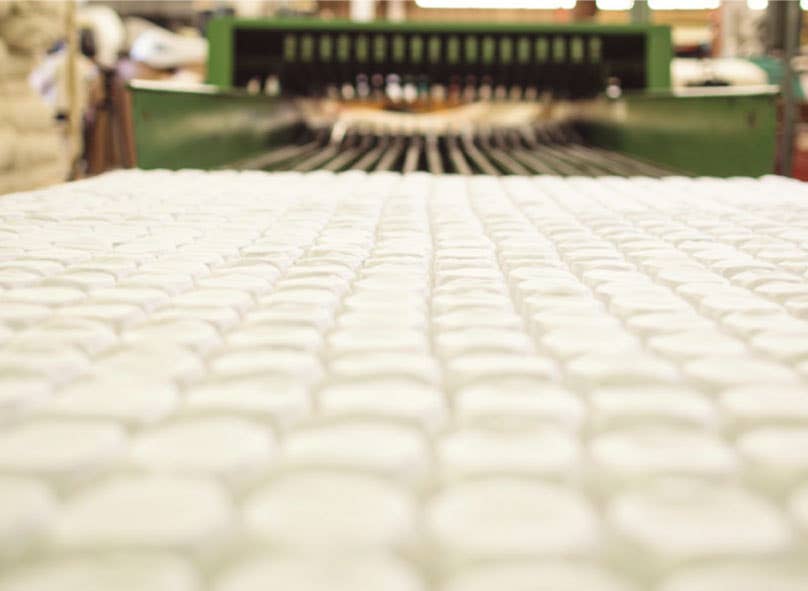
We are farm-to furniture, handcrafting furniture from ingredients grown from mother earth! There are zero Petrochemicals inside our natural and organic mattresses, futons, or sofas since we do not use polyurethane foam. Since 1976, we have stayed eco conscious, committed to offering you the best organic, eco-friendly ingredients creating healthy, non-toxic furniture. Our end goal remains consistent, to empower our customers and our community to live a comfortable, healthy, and chemical-free life.
Handcrafted Sofas
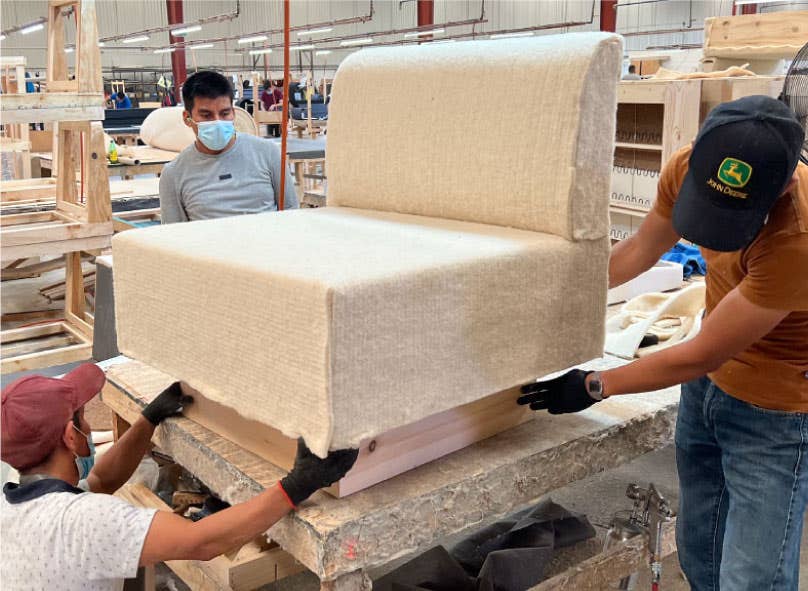
Handcrafting sofas and sectionals with certified organic and natural materials found in mother nature sustainably grown and sourced is our mission. Enjoy furniture designed with your health and comfort in mind, Our sofas provide a cozy refuge with the perfect combination of materials. Natural latex, coconut fibers, wool and steel coils bring comfort and supportive pressure relief and a more sustainable sofa to your living space in an eco-friendly way!
47 + Years of Handcrafting, Affordable Organic Furniture
DESIGNED FOR YOUR COMFORT & PEACE OF MIND

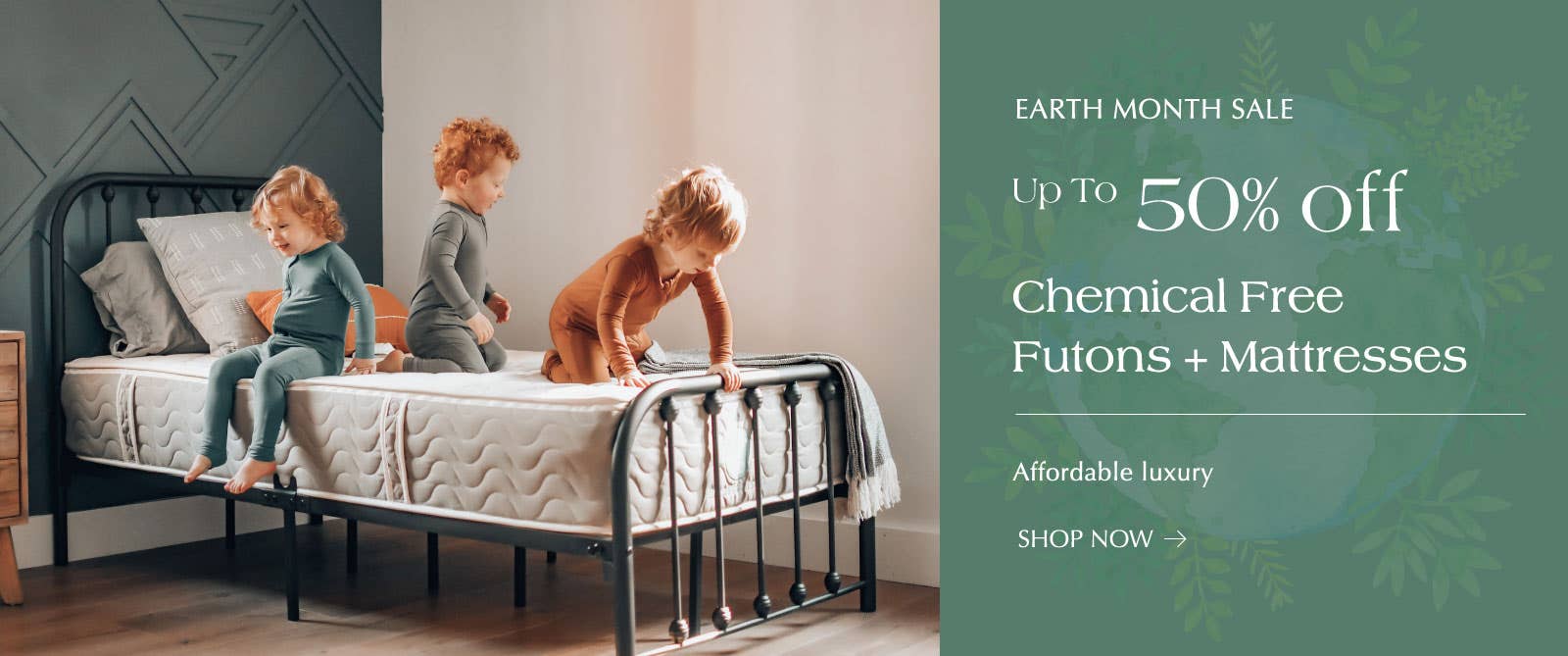
Up To 50% off
Shop Now


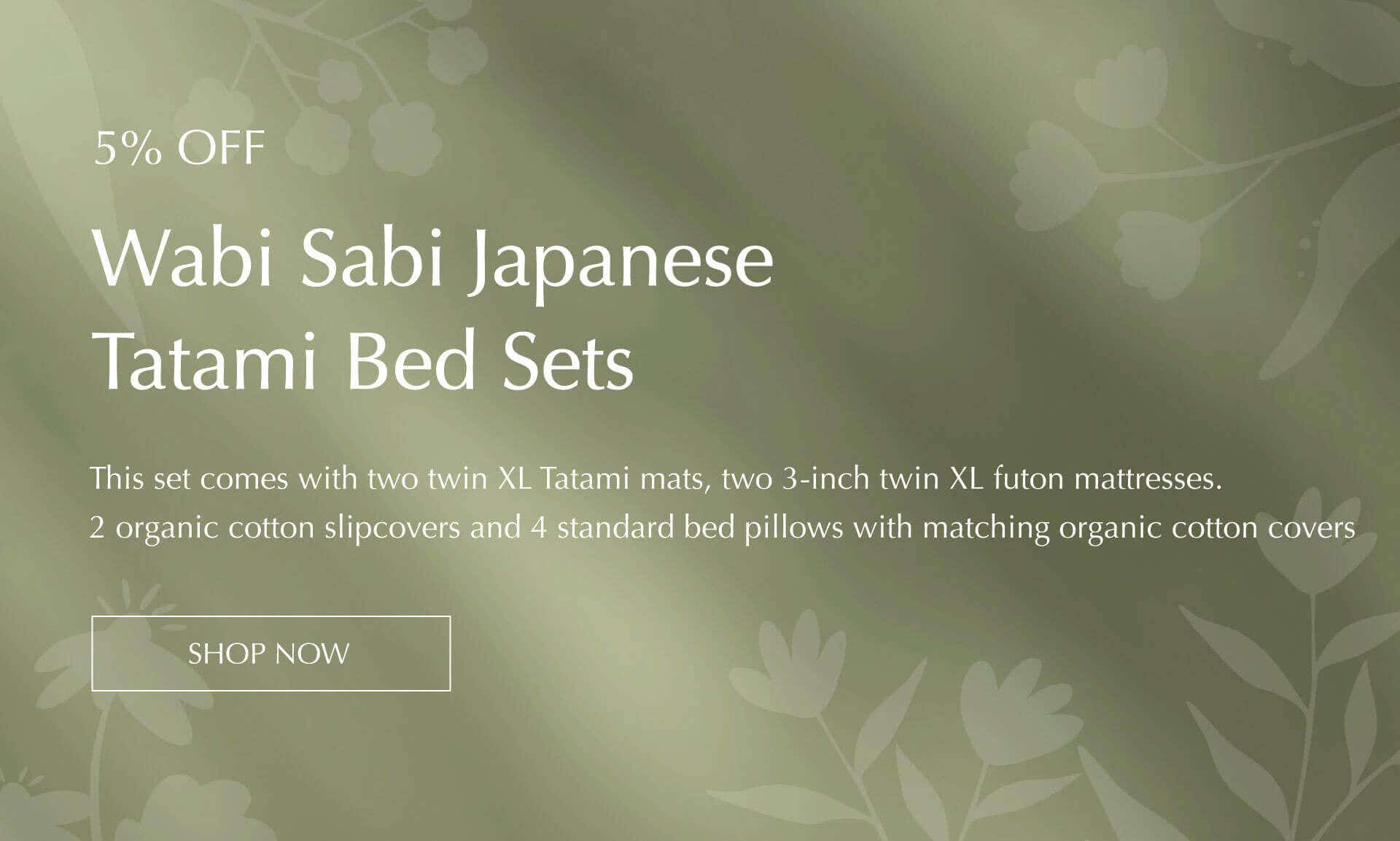
Discover the Finest Japanese Furniture Selection
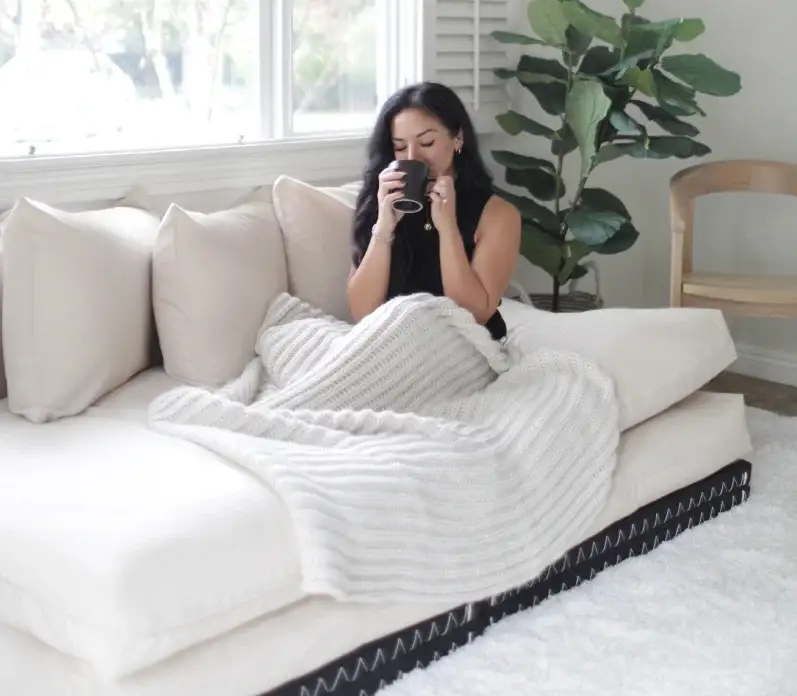


Healthy Home | Non-Toxic | Handcrafted In California
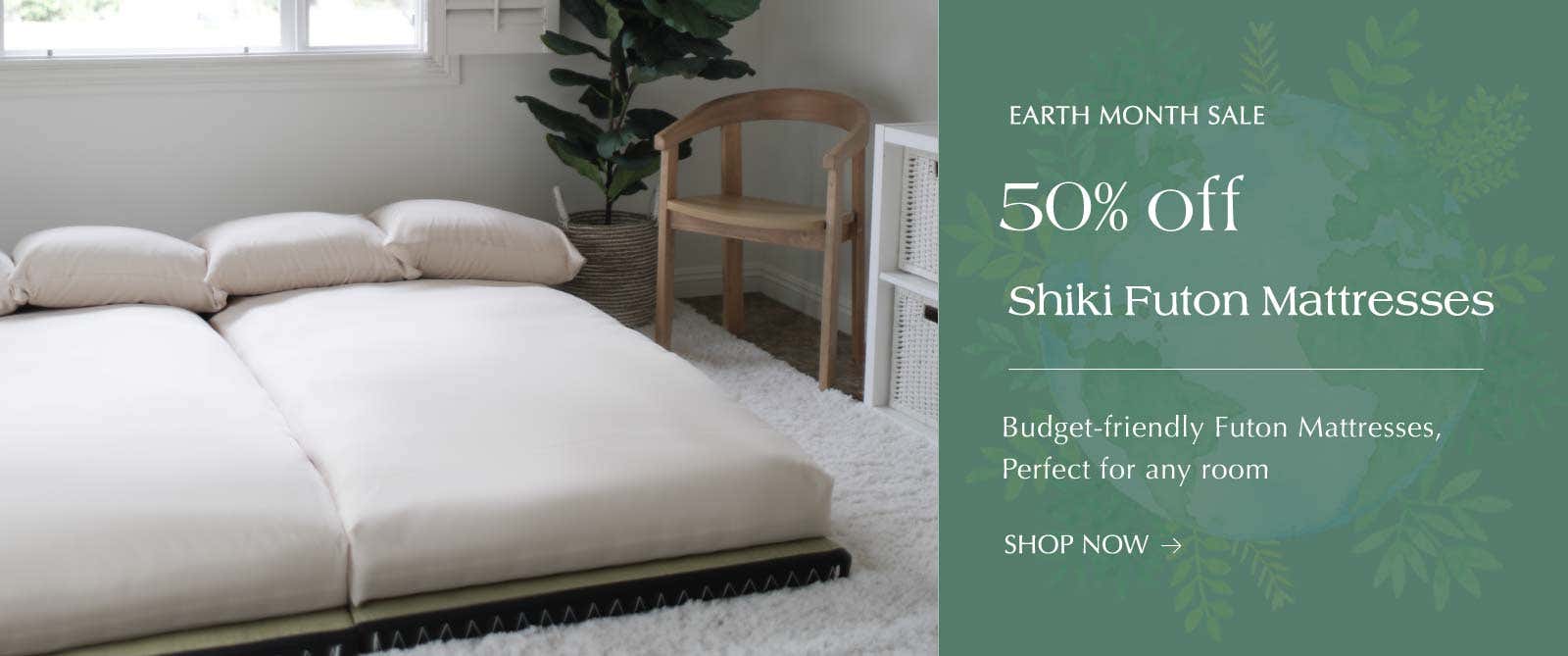
Transform your space with our eco-friendly futon frame sets - Top Luxury Futon Bedding Essentials


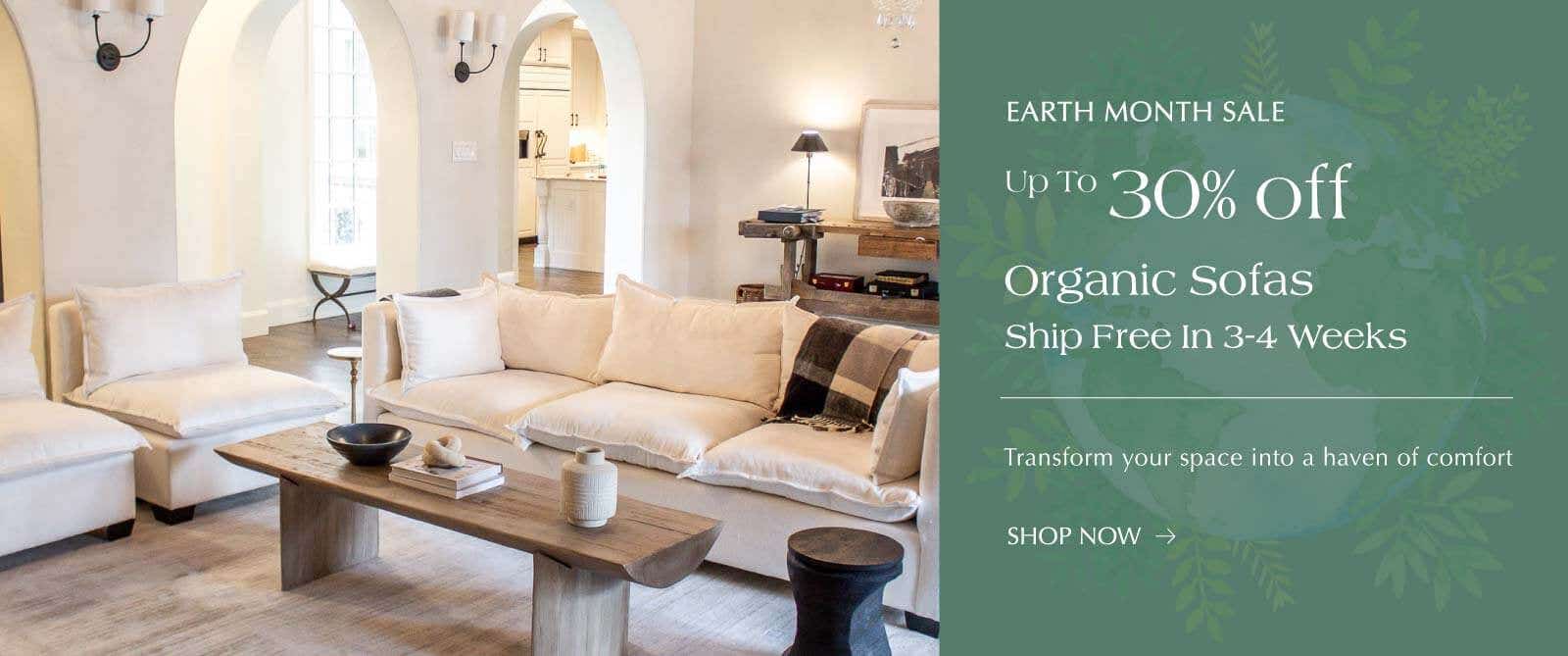
Wrap Yourself in Sustainability - Free shipping on our organic sofas for a cozy and eco-friendly home!
Handmade Sustainable Sofas Made From Organic Materials - Unlimited Designs



Certified Organic Ingredients
Our mattresses, bedding and sofa materials have been verified by top accredited methods and approved by organic standard. Our handcrafted mattresses are made with certified organic ingredients including: USDA Organic Cotton, GOTS Organic Wool, GOLS Organic Latex and covered with Organic Cotton Fabric that is GOTS Certified, so you can be sure from surface to the base that every ingredient is made without harmful toxins.

Organic Cotton
USDA Certified Organic Cotton
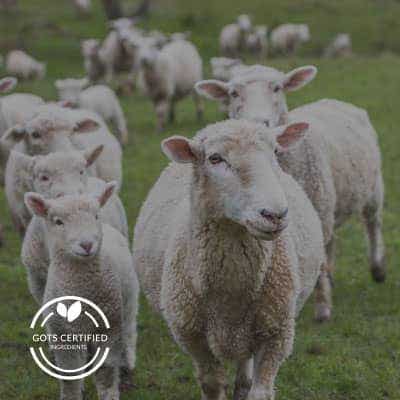
Organic Wool
GOTS Certifed Organic Wool

Hemp Coir
OEKO-TEX Certified Hemp Coir
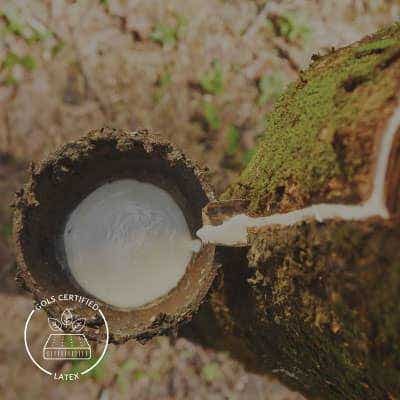
Organic Latex
GOLS Certified Organic Latex

Horse Hair
OEKO-TEX Certified Horse Hair
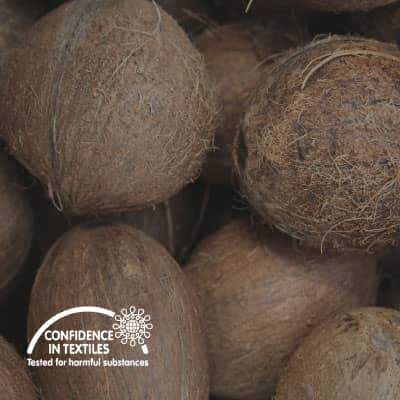
Coconut Coir
OEKO-TEX Certifed Coconut Coir
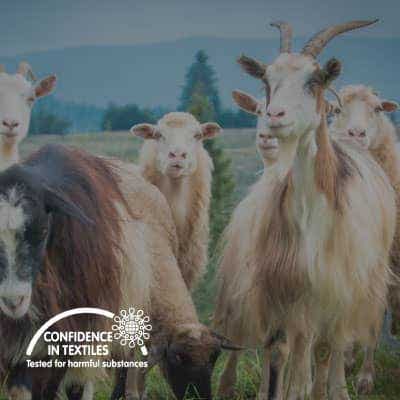
Cashmere
OEKO-TEX Certified Cashmere

Camel Hair
OEKO-TEX Certified Camel Hair
“...It's eco-friendly…and it's made from certified organic materials...”

The Real Housewives of New York See More Reviews →
Featured In









Visit Our Showrooms